
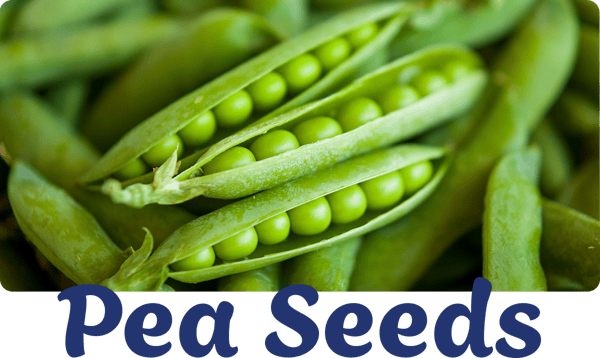







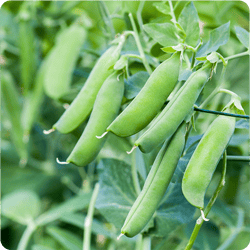
Three open pea pods lay atop a pile of green garden peas.

There's nothing like the crisp snap of a pea from the garden. IFA pea seed varieties are specially selected for their excellent flavor and ability to thrive in our intermountain climates, making them ideal for backyard growers and vegetable producers.

Pea Varieties

Availability varies by season and location.

Early Frosty Pea

Pisum sativum ‘Early Frosty’

Early Frosty peas are great for freeze drying or using fresh from the garden and are great for early spring planting (perfect for gardeners itching to get back outside). These peas are among the earliest planting varieties and have great frost resistance. The plants are heavy producers with 4" blunt-end pods and tender peas excellent for freezing, fresh eating or canning.


Characteristics:

Disease Resistance: Good disease resistance
Type: Shelling pea
Maturity: 65 days

Planting dates: Early spring & again in August
Seeds per pound: 2,400


Green Arrow Pea

Pisum sativum ‘Green Arrow’

Green Arrow peas are historically high-yielding plants with plump, dense pods and excellent disease resistance. These plants produce 4" pods that contain 9 to 11 delicious peas. This shelling pea is delicious fresh or even frozen and perfect for storage, canned or freeze dried.


Characteristics:

Disease Resistance: Excellent disease resistance
Type: Shelling pea
Maturity: 70 days

Planting dates: Early spring & again in August
Seeds per pound: 1,200


Lincoln Pea

Pisum sativum 'Lincoln'

The Lincoln pea has been a garden favorite for years due not only to its sweet taste and soft texture but its ability to produce high yields. These heat and wilt-tolerant peas are fantastic growers that require trellis or supports for best yields. Enjoy Lincoln peas fresh, canned or frozen


Characteristics:

Disease Resistance: Heat and Wilt tolerant
Type: Shelling pea
Maturity: 62 days

Planting dates: Early spring & again in August
Seeds per pound: 1,400


Little Marvel Pea

Pisum sativum ‘Little Marvel’

Small but mighty, Little Marvel peas are pint-sized shelling peas that produce large yields and big flavors in a refined package. These peas are sweet and excellent for eating fresh or freezing. The plants have some frost resistance but are very sensitive to heat and will grow best on a trellis.


Characteristics:

Disease Resistance: Good disease resistance
Type: Shelling pea
Maturity: 62 days

Planting dates: Early spring & again in August

Seeds per pound: 1,300


Oregon Sugar Pod II Pea

Pisum sativum var. macrocarpon ‘Oregon Sugar Pod II’

Oregon Sugar Pod II peas are hardy and robust plants that produce plentiful harvests of their 4½" pods that are PERFECT for freezing. These plants are known for their excellent resistance to diseases including mildew, pea enation virus and leaf roll. Pods are harvested and eaten flat (before the peas form) and provide sweet, crunchy textures when cooked.


Characteristics:

Disease Resistance: Excellent disease resistance.
Type: Edible sugar pod
Maturity: 60 days

Planting dates: Early spring & again in August

Seeds per pound: 1,400


Perfection Dark Seeded Pea

Pisum sativum ‘Perfection Dark Seeded’

Perfection Dark Seeded peas are vibrant early spring plants that offer you plentiful pea harvests in spring and/or fall. With 7 to 10 peas carefully packaged in each 3" shell, there are plenty to be enjoyed fresh, canned or frozen. The plants are relatively hearty and perfect for growing in limiting spaces as they typically grow about 30" tall.


Characteristics:

Disease Resistance: Good disease resistance
Type: Shelling pea
Maturity: 67 days

Planting dates: Early spring & again in August

Seeds per pound: 1,440


Sugar Daddy Snap Pea

Pisum sativum var. macrocarpon ‘Sugar Daddy’

String-free and super sweet, Sugar Daddy snap peas live up to their name with deliciously sweet flavors for salads and stir fries. Sugar Daddy peas are an improved variety of edible-pod, string-less snap peas. They produce slender, 3" green pods and are short plants growing to 24-30" tall that don't normally need trellising.


Characteristics:

Disease Resistance: Good disease resistance.
Type: Edible sugar pod
Maturity: 62 days

Planting dates: Early spring & again in August
Seeds per pound: 1,800


Super Sugar Snap Pea

Pisum sativum var. macrocarpon ‘Super Sugar Snap’

Delicious raw, steamed or stir-fried, Super Sugar snap peas are a small but mighty version of regular sugar snap peas sure to please gardeners and growers of all sizes. Plant Super Sugar snaps directly in the garden as soon as soil can be worked in the spring. Remember to remove the string from the pod then enjoy–pod and all!


Characteristics:

Disease Resistance: Very resistant to powdery mildew
Type: Sugar Pod
Maturity: 61-65 days

Planting dates: Early spring & again in August
Seeds per pound: 1,880


How to Grow

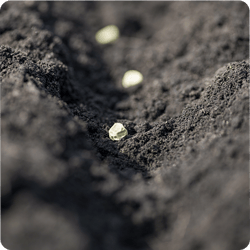
A line of shriveled pea seeds are placed inside a garden furrow.

Planting Pea Seeds

Plant peas as soon as soil can be worked in the early spring and then again in August or when soil temperatures reach 50-75 degrees. Seeds need to be planted ½-1" deep and 1-1½" apart in a well drained and fertile soil.

Caring for Peas

Pea plants will need moderate watering throughout the growing season. You will also want to consistently weed to ensure that the plants are not competing for nutrients. 

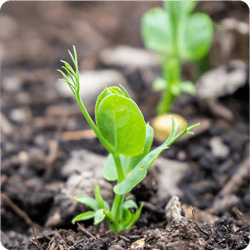
A green pea sprouts out of brown soil.
A cluster of green pea pods in a backyard garden.

Harvesting Peas

You will want to harvest peas when the pods are full, firm, and bright green, but before they become overly swollen or start to yellow. Use one hand to hold the vine and with the other pick the pods. Be gentle with the plant and harvest regularly to encourage continued pea production and a larger harvest.

Helpful Tools


Organic Matter (Compost):

Compost or another form of organic matter is a good way to improve soil drainage for more productive peas.


Fertilizer:
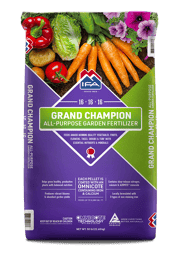
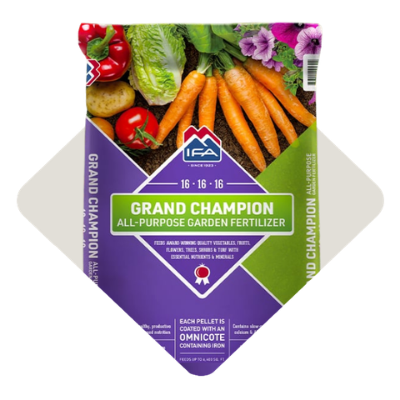
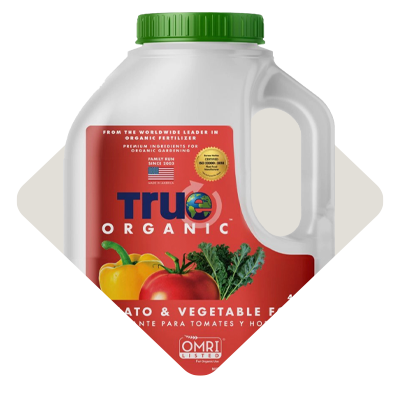
A purple bag of IFA Grand Champion 16-16-16 fertilizer for gardeners in the Intermountain West.Planting – Phosphate does not move through the soil after planting and is essential for plant growth. Consider working Fertilome Tomato and Vegetable Food (7-22-8), Bone Meal (0-10-0) or IFA 11-52-0 Granular Fertilizer into the soil before planting.


Growing – Side dress (apply to the side of the plant and water in) an all-purpose garden fertilizer every 30 days. IFA Grand Champion All-Purpose Garden Fertilizer (16-16-16) is a great option for Intermountain West soils.


Supports/Trellises:

Pea varieties above 3' tall will require some sort of support to ensure continued growth and a quality harvest.
Explore More Garden Vegetables

Learn From Our Experts

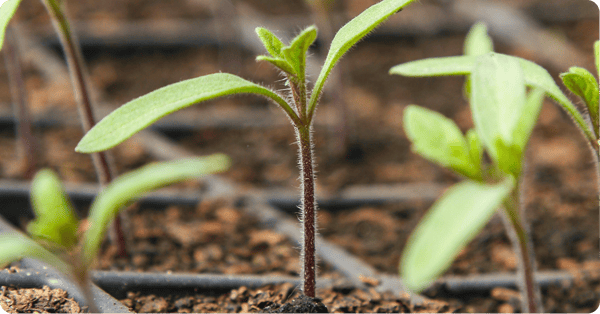
A grid of potted green sproutlings.

How to Start a Garden From Seeds

From germinating seeds indoors to a plentiful outdoor garden, learn the step-by-step process to start growing the garden and plants you love. 

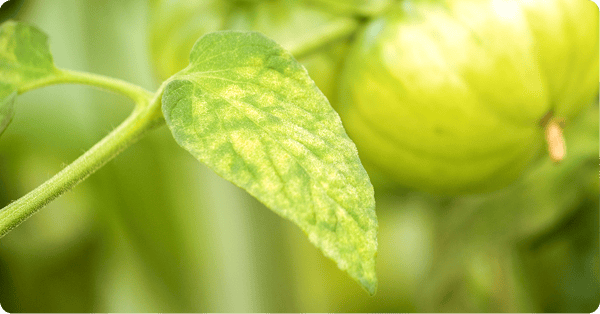
A yellowing tomato leaf next to a bright green tomato.

8 Reasons Plant Leaves Turn Yellow

Soil is vital for a productive garden and not all soils are the same. Find out how soil amendments can help your soil and your garden harvests.

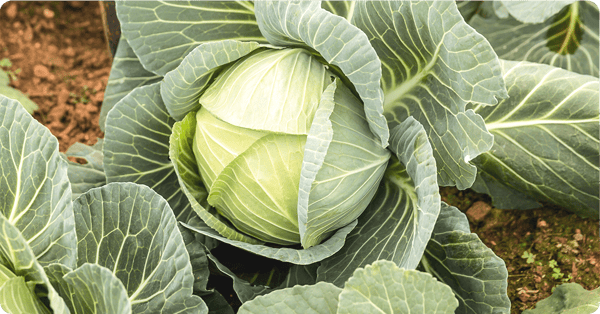
A cole crop, planted in the early spring, is ready to harvest.

Early Spring Gardening: What to Plant and When

Despite lingering winter weather conditions, it’s still possible and important to get started early on planting your spring vegetables.